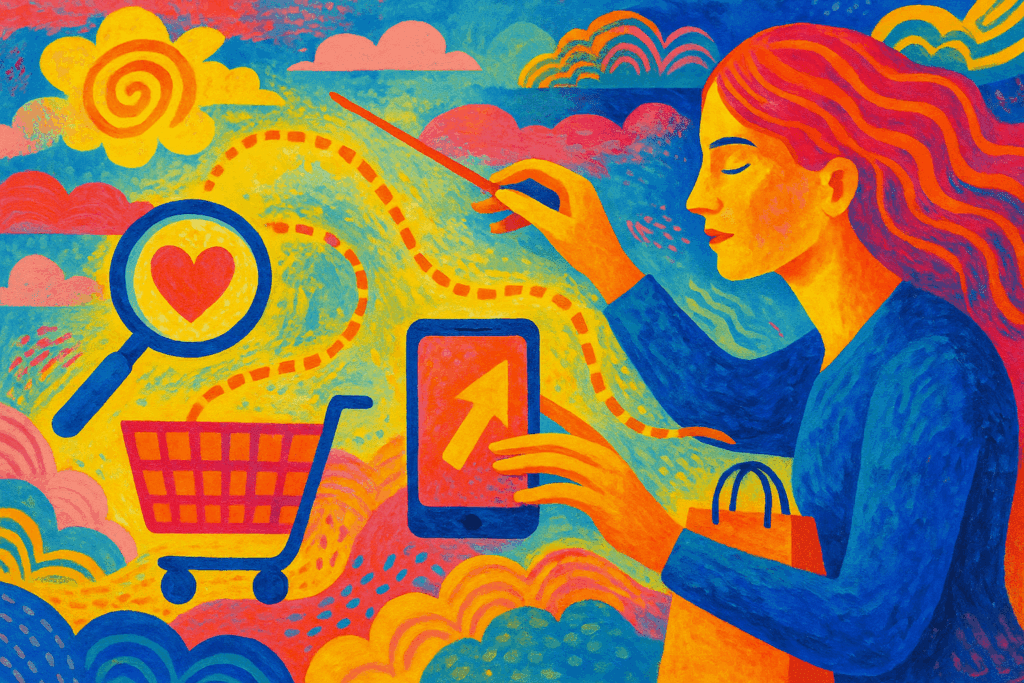
Marketers are moving away from isolated campaigns and toward structured digital journeys that guide consumers from discovery through consideration to purchase. The core objective is simple: deliver the right message at each decision stage and measure impact across platforms.
Retail Media’s Evolving Role in Integrated Journeys
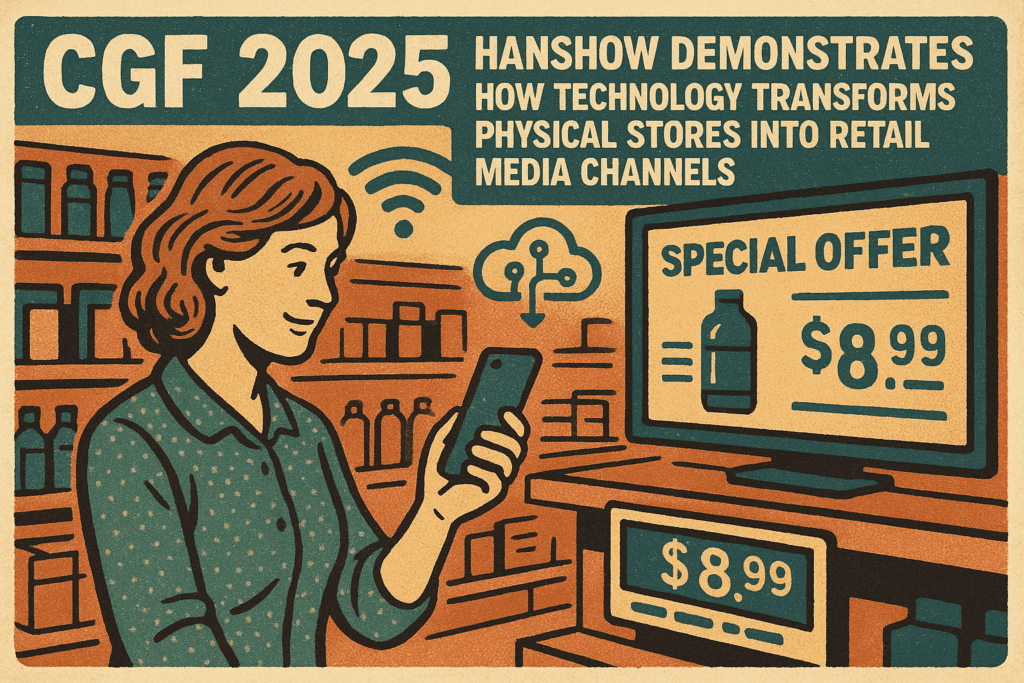
Retail media networks are no longer only for last-click attribution. They amplify mid-funnel activity, build brand visibility on commerce properties, and convert demand created on other channels. In practice this looks like social content that sparks interest, search that captures intent, and retail media that sustains consideration, drives add-to-cart actions, and reinforces brand trust at point of purchase. For brand teams this means buying and creative strategies should be planned by journey stage, not by isolated inventory buckets.
First-Party Data Powers Holistic Measurement
With third-party identifiers declining, first-party data becomes the primary signal for understanding how consumers move between touchpoints. Shopper profiles, on-site behavior, CRM records and transaction data let teams stitch exposures to outcomes. That data supports audience sequencing, personalized creative, and more reliable cross-platform attribution models such as unified measurement, incrementality testing, and exposed-versus-control comparisons.
To measure end-to-end performance, combine these approaches: map journey-stage KPIs, instrument events across social, search, CTV and retail platforms, and use first-party identifiers to join data or to feed privacy-safe matching solutions. Supplement deterministic joins with experiment-driven measurement to validate causal lift.
Conclusion: Treat retail media as a core channel in the consumer journey, pair it with first-party signals, and adopt measurement methods that span platforms. That combination turns discovery into measurable business outcomes, and gives marketing leaders the visibility to optimize spend by stage rather than by silo.