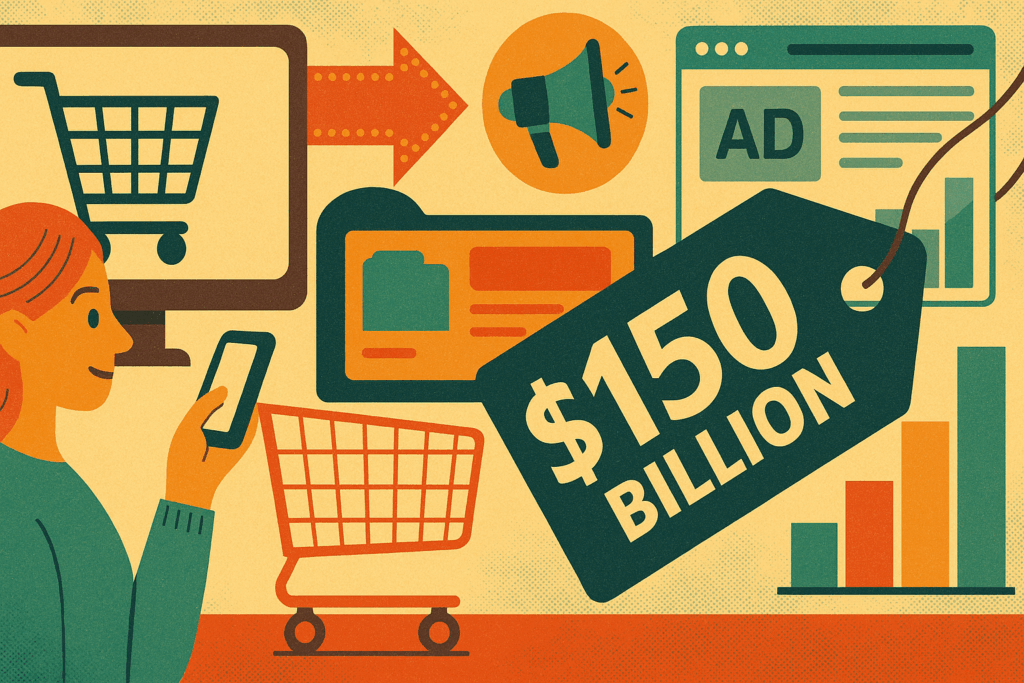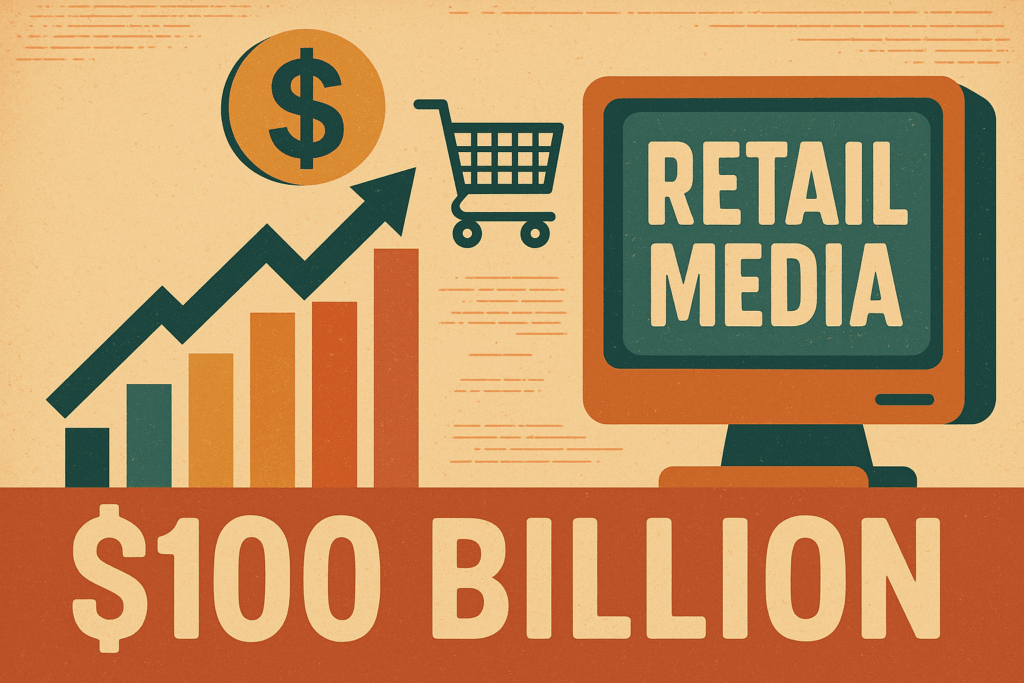

Retail media has grown from simple on-site banners to a complex ecosystem spanning marketplaces, retailer networks, programmatic channels and point-of-sale activations. That expansion created a new problem: fragmentation. Disparate platforms, inconsistent data and siloed measurement limit reach and weaken performance advertising for local shops and global brands alike.
The Fragmentation Challenge in Retail Media
Fragmentation shows up as multiple retail ad platforms with different APIs, varying naming conventions for products and campaigns, and mismatched measurement methods. For small retailers fragmentation raises the cost of entry and makes local targeting and reporting unreliable. For large brands it creates inefficiencies: media duplication, unclear attribution, and wasted spend across channels as budgets are split between incompatible systems.
Pathways to a Unified Retail Media Strategy
Brands and retailers can take concrete steps to reduce fragmentation and lift performance.
- Centralized platform or orchestration layer: Adopt or build an orchestration layer that connects individual retailer ad platforms through standard APIs for campaign management and reporting.
- Data standardization: Agree on common taxonomies for SKUs, categories and outcomes. Consistent naming makes cross-retailer attribution and creative optimization actionable.
- First-party data activation: Use retailer first-party signals and brand CRM data in secured environments, such as clean rooms, to match audiences without exposing raw PII.
- Unified measurement: Run incrementality tests and holdouts across channels. Use a single measurement framework for view-through and conversion attribution to compare apples to apples.
- Strategic partnerships: Create joint KPIs, revenue-share models and shared dashboards so retailers and brands are aligned on outcomes, not isolated CPMs.
- Local shop playbook: Provide self-serve templates, geo-targeted options and standardized reporting to make retail media accessible to small businesses.
The Future of Connected Retail Advertising
A more unified retail media ecosystem delivers clearer ROI, faster optimization cycles and consistent customer experiences across touchpoints. The path forward combines technology integration, disciplined data practices and commercial collaboration. Brands should start with an audit of tech and data flows, pick one or two pilot retailers or categories for shared measurement, and scale what proves measurable. Retail media that is connected will drive more efficient performance advertising and make e-commerce growth pay off across markets.